Preventive maintenance for laboratory analyzers: a practical routine
Daily, weekly and periodic care that keeps analyzers accurate, reduces breakdowns and protects your results.
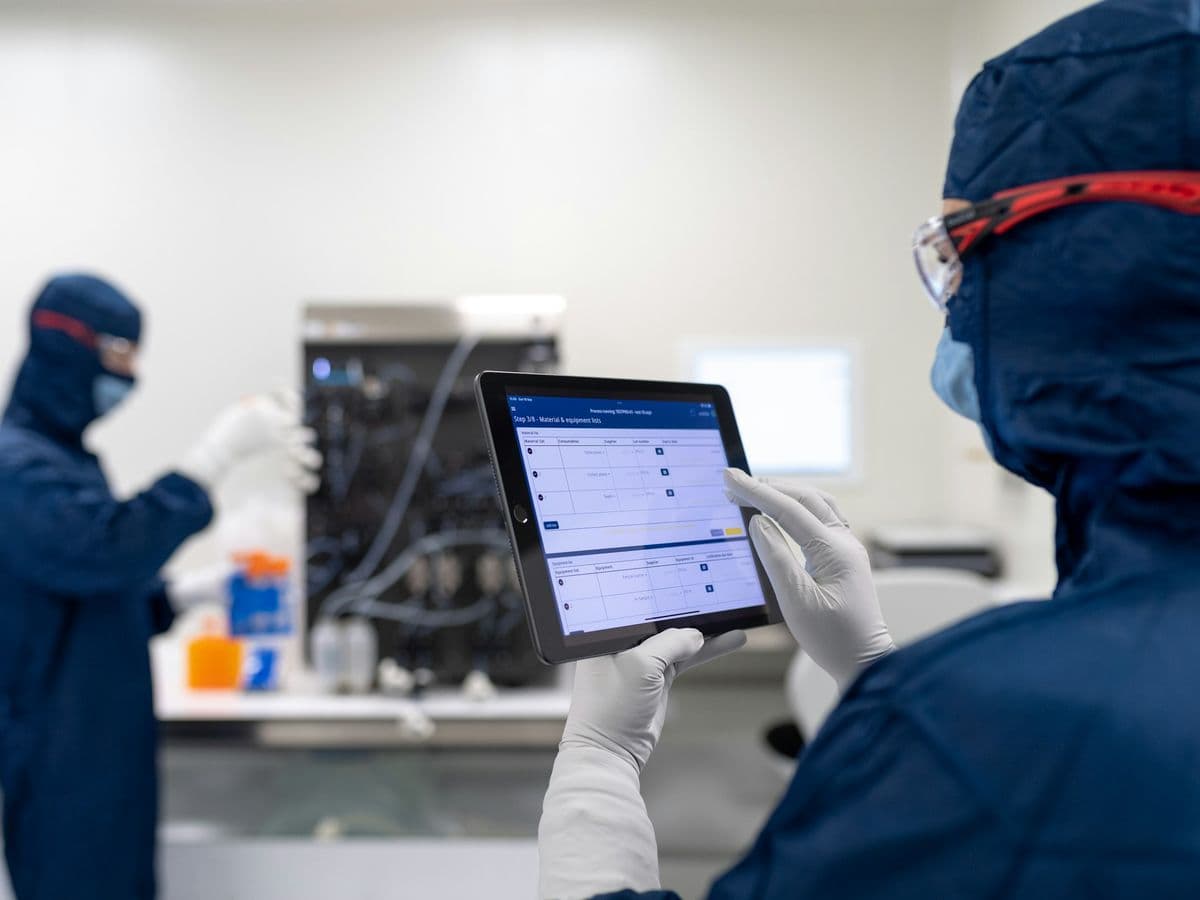
An analyzer that is not maintained does not usually fail all at once. It drifts: calibrations stop holding, QC starts to wander, probes clog, and small errors accumulate until a breakdown takes the instrument offline. Preventive maintenance (PM) is the routine that catches those problems while they are still cheap to fix.
Start with the manufacturer's manual
Every analyzer ships with a maintenance schedule written for its specific fluidics, optics and software. Treat it as the minimum. Copy each task into a checklist your team signs off, and keep that checklist next to the instrument. If your workload is higher than the manufacturer assumed, some tasks may need to happen more often — ask the service engineer.
A typical maintenance rhythm
The exact tasks vary by instrument, but most chemistry, hematology and immunoassay analyzers follow a similar pattern:
| Frequency | Typical tasks |
|---|---|
| Daily | Check reagent and wash-solution levels, empty waste, run start-up checks, run and review QC before patient samples |
| Weekly | Clean sample and reagent probes, run cleaning or wash cycles, inspect tubing and mixing parts |
| Monthly | Check filters and fans, review lamp or light-source hours, back up instrument data and settings |
| Every 6–12 months | Engineer PM visit: replace wear parts (pump tubing, seals, lamps), verify calibration, check temperature and electrical safety |
Read your QC like an early-warning system
Daily quality control is not only a release check for patient results; it is also the best diagnostic data you have on the instrument itself.
- Shifts — a sudden step change often points to a new reagent lot, a calibration issue or a component change
- Trends — a gradual drift in one direction can indicate an ageing lamp, deteriorating reagent or a temperature problem
- Increased scatter — rising imprecision often comes from fluidics: bubbles, partial clogs or worn tubing
Plot QC on Levey–Jennings charts and apply consistent rules (such as Westgard rules) so the whole team responds to the same signals in the same way.
Protect the environment around the analyzer
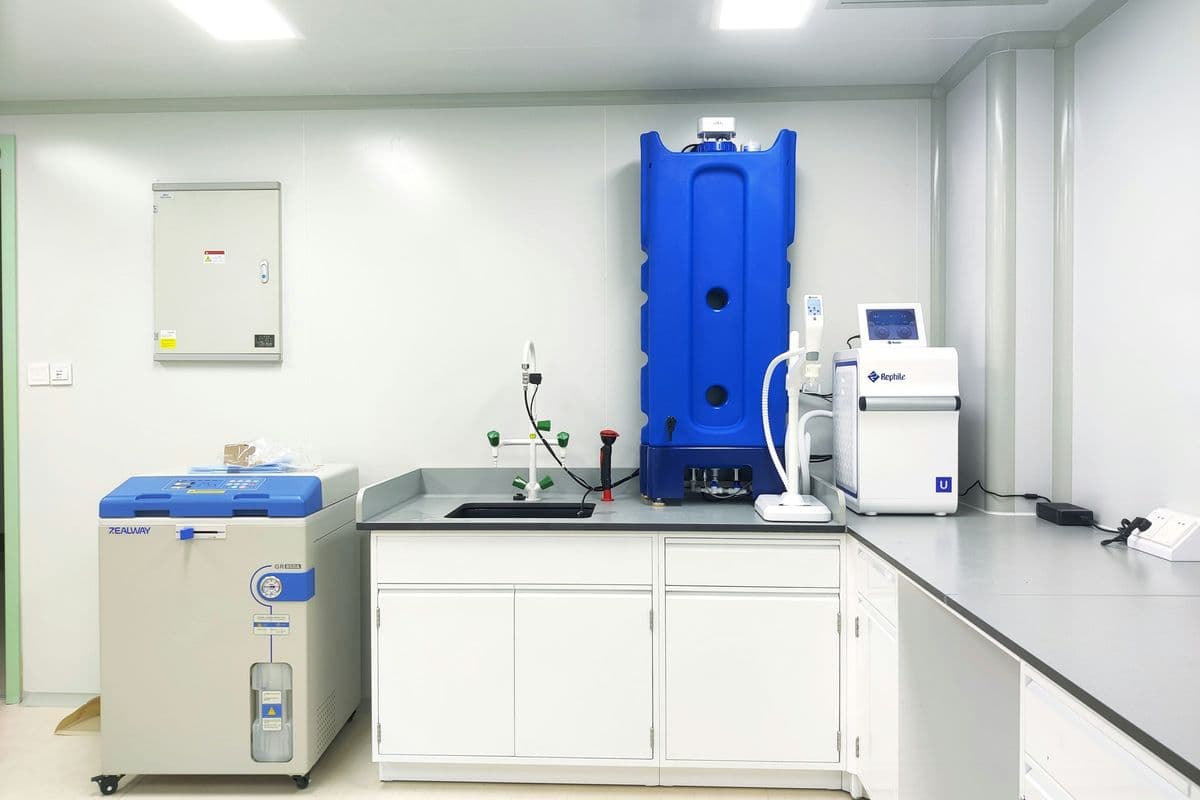
Many "instrument faults" are environmental. Keep the room within the temperature and humidity range in the installation guide, give analyzers clean and stable power with a suitable UPS, and supply the water quality the manufacturer specifies for analyzers that use purified water. Dust, direct sunlight and vibration from nearby equipment all shorten component life.
Keep a maintenance log
Record every maintenance task, error code, part replacement and service visit with the date and the person responsible. A good log:
- Shows patterns — the same error recurring after every reagent change, for example
- Speeds up troubleshooting when an engineer is on the phone
- Supports accreditation and internal audits
- Helps you plan budgets for wear parts and replacements
What to look for in a service agreement
If you rely on a supplier for PM and repairs, compare agreements on substance rather than price alone:
- How many scheduled PM visits per year, and what each visit covers
- Response times for breakdowns, and whether they apply to your location
- Which parts are included, and how quickly common parts are available
- Whether loaner equipment or backup testing arrangements are offered
- Training for new staff and refresher sessions
A predictable routine — daily checks by your team, periodic visits by a qualified engineer — is the simplest way to keep an analyzer producing results you can trust.
This article is general guidance. Always follow the manufacturer’s instructions for use and confirm requirements that apply to your facility.
All resourcesService & Maintenance
Preventive maintenance contracts, calibration, parts, and rapid on-site response nationwide.