
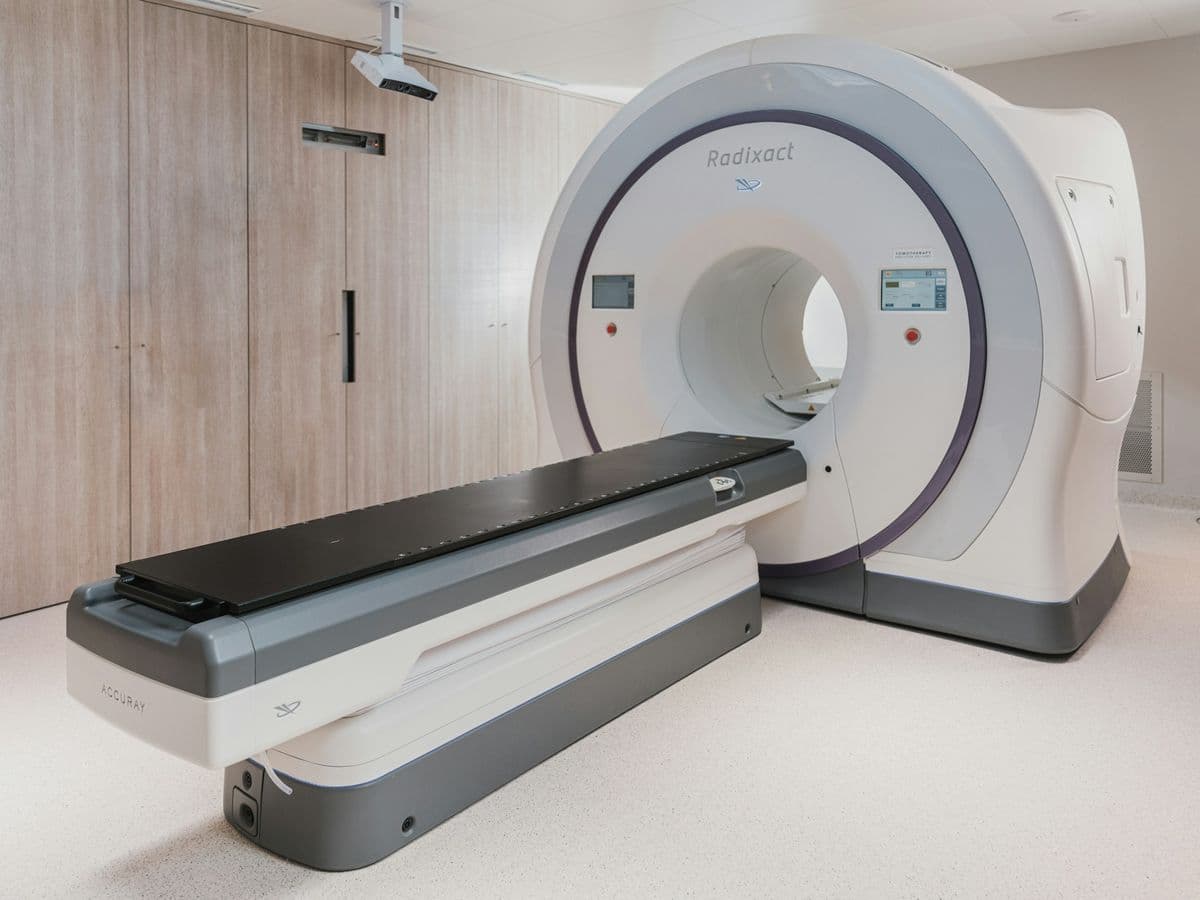
Buying an ultrasound system: a checklist for clinics and hospitals
Clinical applications, transducers, imaging modes, connectivity and room planning — what to settle before you compare models.
Practical, vendor-neutral guidance on choosing, planning and maintaining laboratory, dialysis and imaging equipment — written for the people who run them.

 Featured
How the two differential technologies work, what each reports, and how to match the choice to your patients and workload.
In this guide
Filter by topic or search by keyword — every guide is free to read and written to help you make an informed decision.
6 articles
Clinical applications, transducers, imaging modes, connectivity and room planning — what to settle before you compare models.
How the two differential technologies work, what each reports, and how to match the choice to your patients and workload.
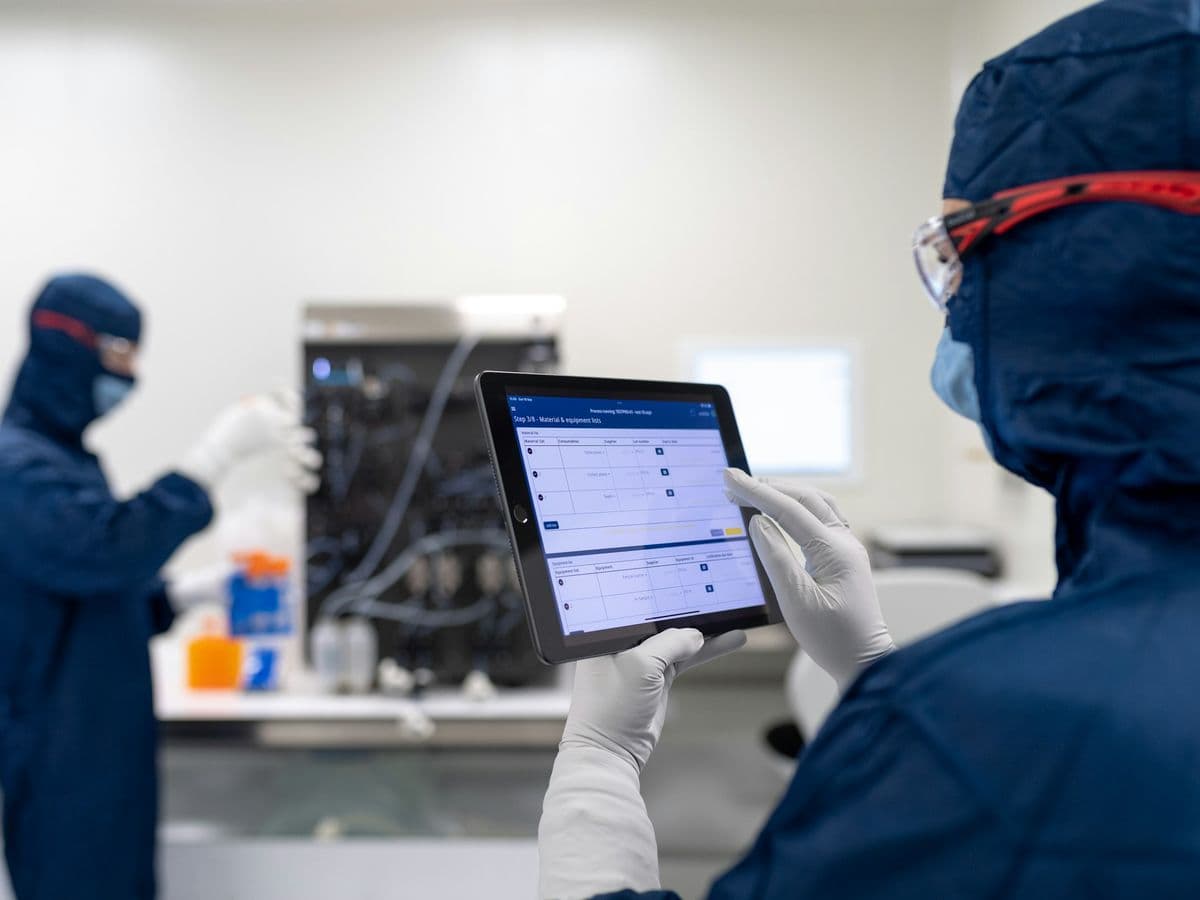
Daily, weekly and periodic care that keeps analyzers accurate, reduces breakdowns and protects your results.
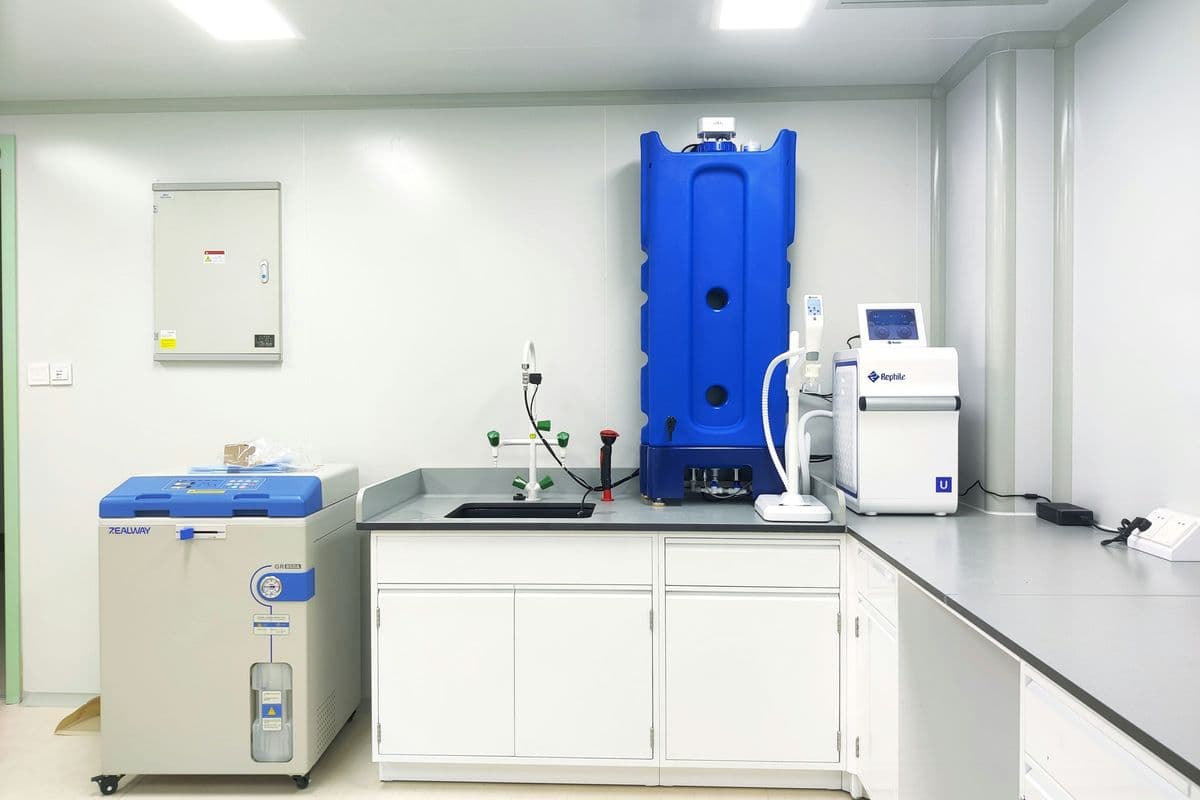
How a turnkey laboratory build actually unfolds, stage by stage.
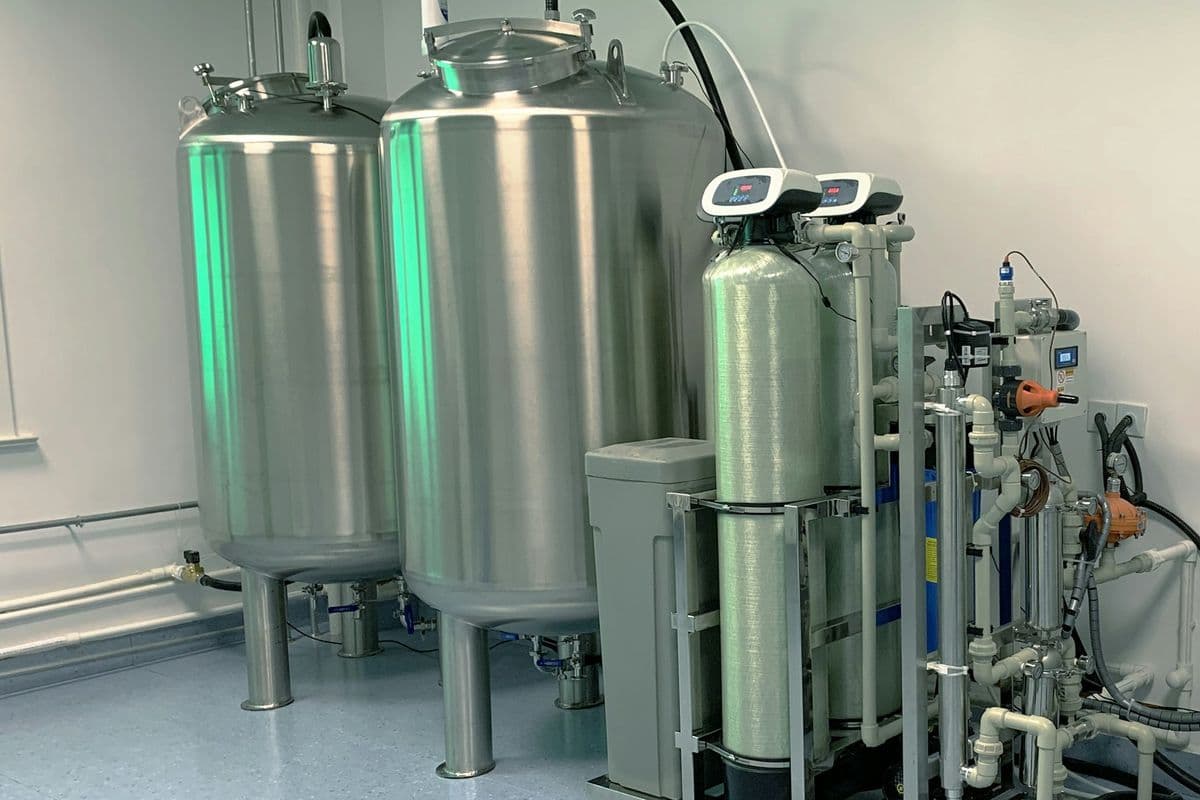
Water quality standards, sizing, and the maintenance that keeps a dialysis unit compliant.
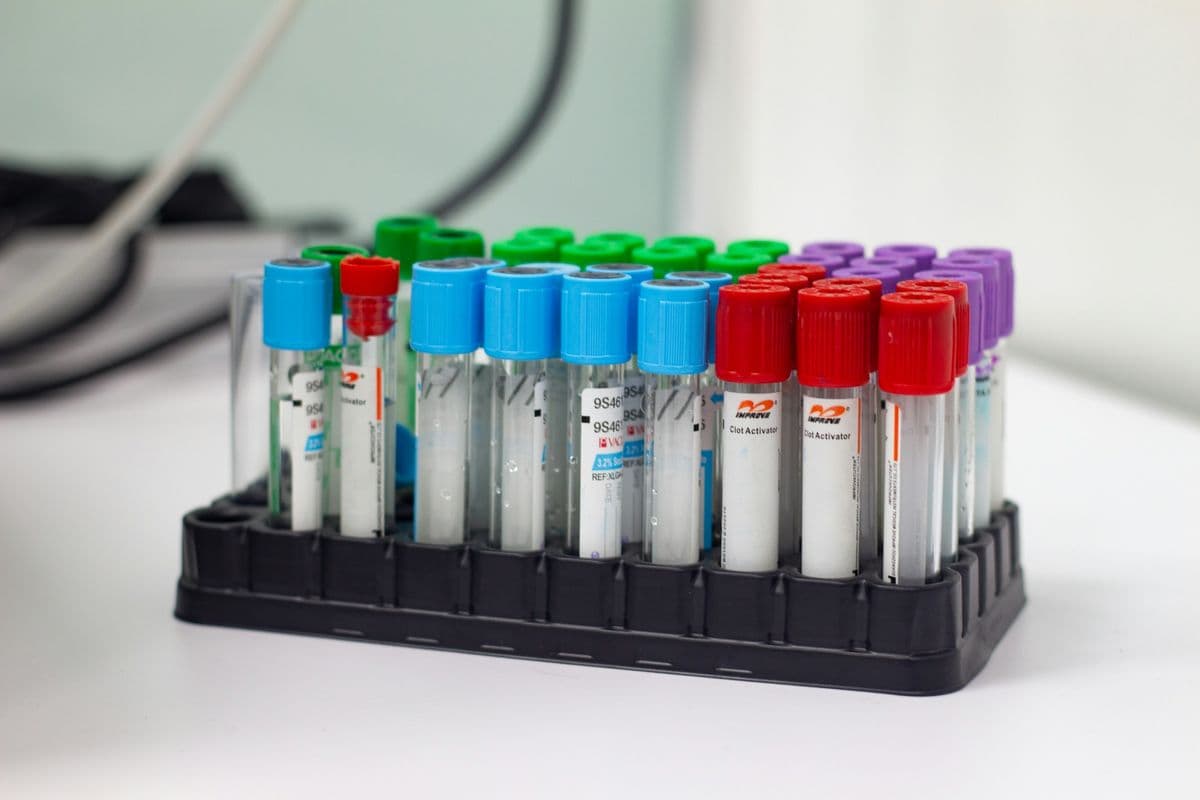
A practical guide to matching analyzer throughput to your lab's workload — without overspending.
Our most practical long-form guides — each one ends with clear questions to take into your next equipment conversation.
Key points:
Key points:
Key points:
Key points:
Guides go a long way, but every facility is different. Tell us about your workload, space and budget, and our team will help you shortlist the right equipment.
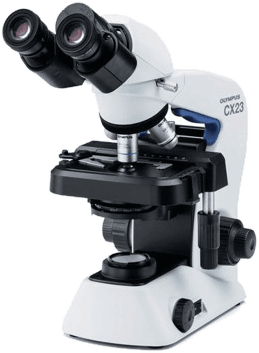
Ask about equipment, pricing, or lab setup — we’re here to help.